





Why This Matters
- Salmonella remains a leading cause of foodborne illness, with food of animal origin as the predominant source of human infections.
- Pork products, particularly ground and comminuted items, are among the most relevant vehicles for Salmonella transmission.
- Lymph nodes and tonsils can harbor Salmonella intracellularly and are not addressed by conventional carcass surface interventions, creating a hidden contamination pathway during fabrication.
- Characterizing prevalence across specific lymphatic tissues supports targeted mitigation strategies and more accurate risk assessments for processors and public health authorities.
Key Findings
Zhang et al. (2025) conducted a surveillance study of Salmonella in lymph nodes and tonsils collected from 560 cull hog carcasses at six U.S. processing facilities (three Western, three Eastern) across multiple seasons. Detection was performed using the BAX® System Real-Time Salmonella Assay, with enumeration via BAX-System-SalQuant.1
- Overall prevalence: Salmonella was detected in 12.3% of individual lymph node and tonsil samples; 59.3% of carcasses (range: 53.9% in winter to 64.2% in summer/fall) were positive in at least one lymphatic tissue.
- Highest-risk tissues: Tonsils exhibited the highest prevalence (36.9%), followed by mesenteric lymph nodes (29.7%); other lymph nodes (e.g., subiliac, tracheobronchial, prescapular, axillary) showed prevalences below 10%.
- Seasonal patterns: Tonsil prevalence peaked in summer/fall (42.6%), while mesenteric lymph nodes showed higher prevalence in spring and summer/fall compared with winter.
- Regional and tissue-specific variation: Certain lymph node types (e.g., superficial inguinal) demonstrated higher winter prevalence in Eastern facilities.
- Quantitative burden: Enumerable mesenteric lymph nodes contained significantly higher Salmonella concentrations in winter, particularly in Eastern regions.
Bigger Picture
This study demonstrates that internal lymphatic tissues—especially tonsils and mesenteric lymph nodes—are important reservoirs of Salmonella in cull hogs entering the processing chain. Because these tissues are not mitigated by surface decontamination and may be incorporated into comminuted products, they represent a meaningful food safety risk. The prevalence and concentration data provided establish a baseline to inform quantitative microbial risk assessments, targeted processor interventions (e.g., lymph node removal or focused controls), and future regulatory considerations.
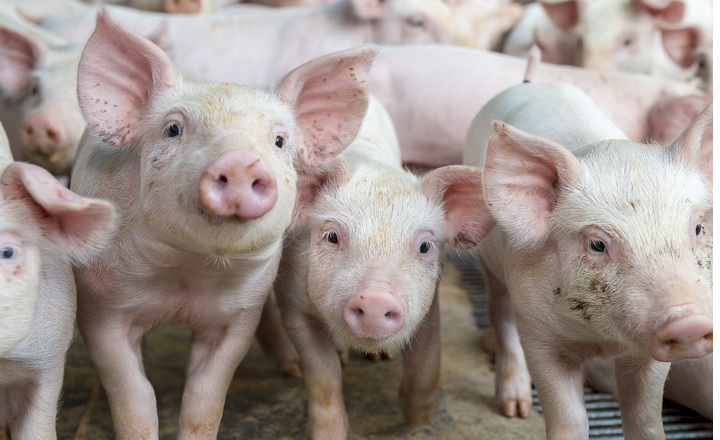
(Image credit: iStock / Marcos Kulenkampff)
References:
- Zhang et al. 2025. Surveillance of Salmonella in Cull Boar, Sow, and Gilt Lymph Nodes and Tonsils from Six Cull Hog Processing Facilities in the United States. Journal of Food Protection.