
- Powdered infant formula presents a unique microbiological risk
- Traditional culture media delivers quality, consistency, and performance
- Reliable, high-quality EM solutions are available from AnalytiChem Group
In the manufacture of food and beverages, reliable environmental monitoring (EM) solutions are critical to maintaining product safety, achieving compliance, and ensuring end-user protection. This is particularly important in categories such as infant formula due to the vulnerability of the consumers. Rapid monitoring methods such as real time PCR for Salmonella and Cronobacter, bio-luminogenic swab methods, and automated luminometer systems can be appealing due to the speed of alert - but can they match the reliability of traditional EM solutions in such sensitive environments?
Powdered infant formula presents a unique microbiological risk. Its low moisture content allows pathogens such as Salmonella and Cronobacter to survive for extended periods. Global regulations require their complete absence from finished goods, which means manufacturers must implement robust, ISO-aligned testing programs that combine established environmental monitoring strategies with defined enrichment and detection workflows. In these settings, the quality, consistency and performance of traditional culture media are critical factors.
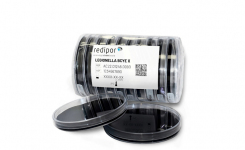
This is where AnalytiChem Group's range of reliable, high-quality EM solutions really shines, delivering confidence in results every time. Key products from AnalytiChem, which has particular expertise with its Redipor® products for food and beverage producers, include:
- BPW (Buffered Peptone Water): the required non selective pre enrichment step for both ISO 22964 (Cronobacter) and ISO 6579 1 (Salmonella), and essential for recovering stressed or desiccated cells in dry mix products such as infant formula.
- RVS Broth: a core selective media in ISO 6579 1 for Salmonella, and another important tool in infant formula risk management.
- XLD Agar: an ISO accepted selective plating media for Salmonella, widely used in routine testing across dairy and infant nutrition production.
These reliable tools support robust monitoring across dairy, beverage and infant nutrition manufacture, where confidence in results is critical: in such sensitive manufacturing environments, even a single positive finding can trigger recalls, regulatory action, and long-term damage to brand trust - not to mention the potential risk to consumers.
While rapid environmental monitoring methods can support early detection of microbial incursion, truly effective monitoring depends on tried-and-trusted methods that deliver reliable recovery, clear interpretation, and guaranteed regulatory compliance. Across high-risk applications such as those highlighted above, traditional, culture-based approaches remain the gold standard for confirmatory testing, essential to safeguard consumers, ensure product integrity, and protect business reputations.
Contact the AnalytiChem team to explore the food and beverage solutions available in your region and how they can strengthen your workflows.
Rapid alerts matter - but reliable results matter more. Learn how AnalytiChem supports robust food and beverage testing.