
Most zoonotic outbreaks don’t begin in hospitals.
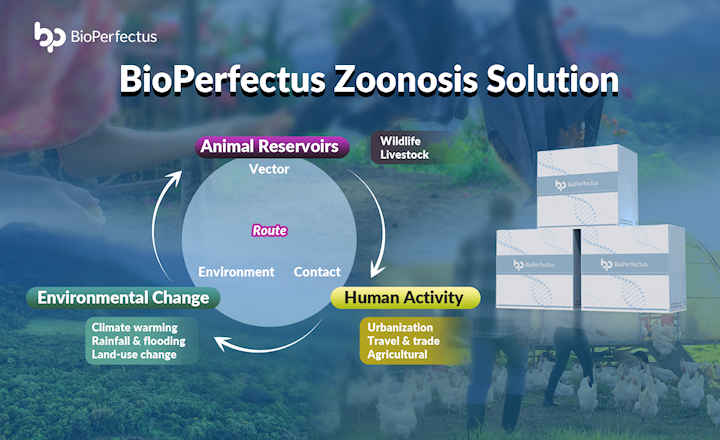
They begin where human activity reshapes animal ecosystems — deforestation, intensive farming, wildlife trade, and climate-driven shifts that accelerate pathogen spillover.
Zoonotic risk today is no longer unpredictable. It is structured, seasonal, and increasingly detectable — if laboratories are equipped in time.
As the WHO–FAO–WOAH One Health Joint Plan of Action (2022–2026) enters its final phase, global alignment is largely in place. The real differentiator now is execution at the laboratory level.
Spillover Follows Patterns — Not Chance
Zoonotic transmission shows clear regional and seasonal concentration, especially in the next six months:
- Sub-Saharan Africa (rainy season): Mpox, viral hemorrhagic fevers, Rift Valley fever
- South & Southeast Asia (monsoon onset): Nipah, Dengue, Zika, Chikungunya, avian influenza
- Latin America (post-rainfall): Dengue, Zika, yellow fever
- Middle East & Central Asia (spring–early summer): MERS-CoV, CCHF
These are not theoretical risks. They are recurring surveillance pressure points.
Turning One Health Strategy into Laboratory Action
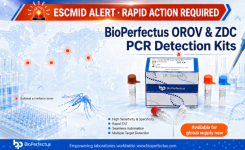
Bioperfectus delivers practical zoonotic diagnostics designed for early, decentralized detection in high-risk regions:
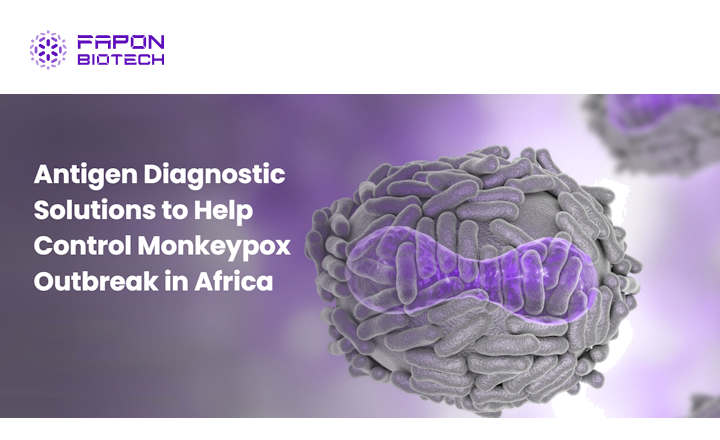
- Mpox (Monkeypox) PCR
- Vector-borne disease assays: Dengue, Zika, Chikungunya
- Respiratory zoonoses: Influenza A, MERS-CoV
- Hemorrhagic fever viruses: Ebola, Marburg
- Lyophilized, ambient-stable format optimized for fragile logistics and limited cold-chain environments
- More products information on our website...
Our solutions are built for speed, resilience, and real-world deployment — supporting surveillance before outbreaks escalate.
Learn More