



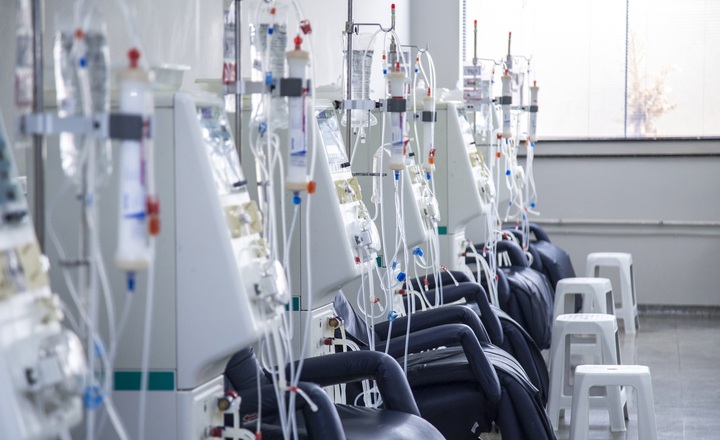
- Dialysis patients are repeatedly exposed to large volumes of water across semi-permeable membranes, making the microbiological quality of dialysis water critical for patient safety.
- Dialysis water is produced from drinking water treated by reverse osmosis (RO) and remains susceptible to contamination with bacteria and cell wall components like endotoxin.
- Exclusive reliance on culture-based methods may fail to detect viable but non-culturable (VBNC) cells that retain biological activity, leading to systematic underestimation of microbial burden.
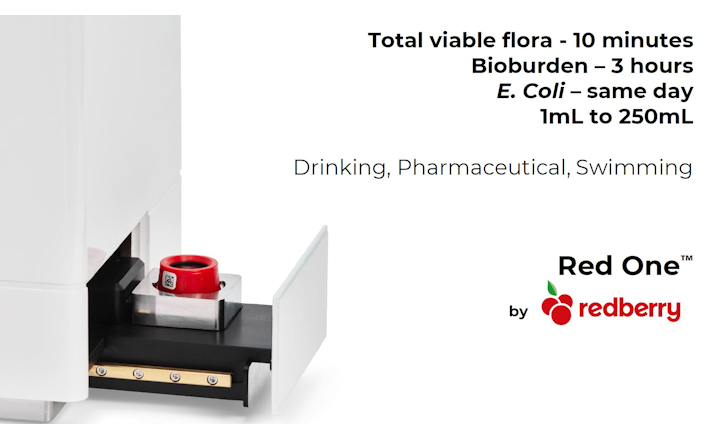
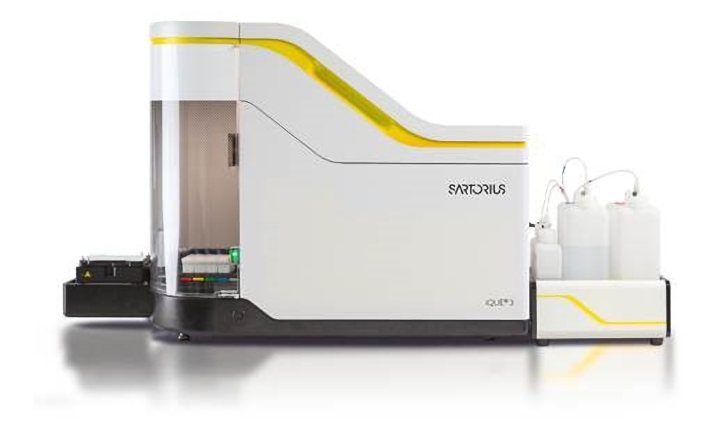
- Flow cytometry-based microbial enumeration (FCM) provides a rapid (~30 min) approach for assessing total viable microorganisms, including VBNC populations, in dialysis water.
Key Findings:
Lucena et al. compared routine heterotrophic plate counts (HPC; ISO 23500-3) with flow cytometry-based microbial enumeration (FCM) on dialysis water samples collected from an operational dialysis system.1 During FCM analysis, scatter-plot gating was used to distinguish intact cells from dead cells while SYBR Green fluorescence differentiated high-nucleic-acid cells—indicative of higher metabolic activity—from low-nucleic-acid cells, representing stressed or dormant populations.
- FCM counts exceeded HPC results by an average factor of 4.36X, indicating that a large proportion of microorganisms present in dialysis water are not recoverable by culture.
- Poor agreement between methods demonstrates that they quantify fundamentally different microbial fractions rather than serving as interchangeable metrics.
- FCM enabled near-real-time microbial assessment, whereas HPC required up to 7 days of incubation, delaying corrective or preventive actions.
Bigger Picture:
This study exposes a structural limitation in dialysis water monitoring programs that rely exclusively on heterotrophic plate counts. While HPC remains embedded in standards and guidelines, it reflects only the culturable minority of microbial populations. Flow cytometry offers a faster and more comprehensive assessment of microbial burden—including intact and potentially active cells—and may serve as a valuable complementary tool within risk-based water quality management frameworks. If FCM is adopted more broadly for dialysis water monitoring, establishing baseline levels, alert thresholds, and maximum allowable limits will be essential to ensure consistent interpretation and patient protection.
(Image Credit: iStock/sudok1)
References:
- Lucena et al. (2025). Comparison of flow cytometry and heterotrophic plate count methods for dialysis water microbial monitoring. Scientific Reports.