



Why This Matters:
- Maintaining product safety: Environmental contamination is a critical risk in pharmaceutical manufacturing; microbial ingress can compromise product sterility or stability, especially for production of non-sterile and Class D products.
- Risk-based monitoring improves efficiency: Selecting sampling locations based on operational risk allows facilities to focus resources on hotspots most likely to harbor microbes.
- Hygiene practices are crucial: Personnel hygiene directly influences environmental bioburden; monitoring both surfaces and hands helps ensure compliance and minimize contamination.
Key Findings: The authors conducted a cross-sectional risk-based environmental assessment in a Class D cleanroom. Passive settle plates and finger dab tests were used to assess microbial loads across critical areas over 5 days.1
- Low environmental microbial load: All settle plate counts remained below 100 CFU, with slightly higher counts near the return air loop, though differences were not statistically significant.
- Operator hygiene is effective: Finger dab tests showed <100 CFU per 5 fingerprints, meeting internal hygiene standards.
- Spot prioritization: Areas near return air loops may represent sensitive monitoring locations, suggesting that risk-based sampling can identify potential contamination hotspots.
- Sampling method limitations: Passive settle plates provide only a partial picture of airborne contamination; active air sampling and non-viable particle counts were not performed.
Bigger Picture: This study demonstrates the practicality of a risk-based environmental monitoring program in Class D pharmaceutical facilities. By combining environmental sampling with personnel hygiene assessments, facilities can maintain compliance and detect potential contamination points efficiently.
While the study validates targeted monitoring, integration with active particle monitoring and broader temporal sampling would further strengthen environmental control programs. Adopting such strategies supports consistent product quality, regulatory compliance, and patient safety.
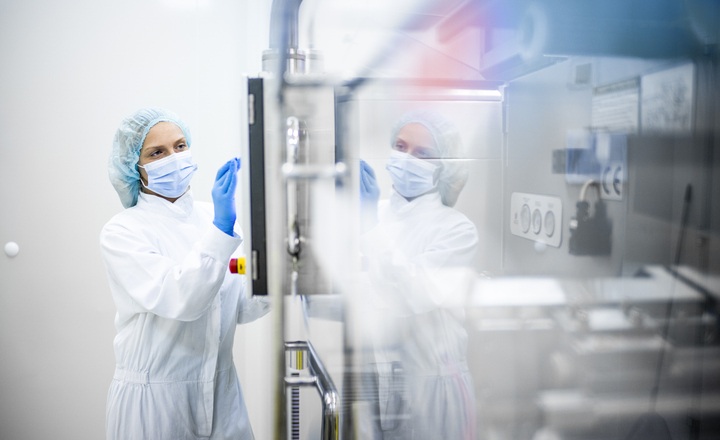
(Image Credit: iStock/ Extreme Media)