



Summary: Latest from our Journal Club: updated CLSI guidance on CRE, WGS predicts Isoniazid resistance in Mycobacterium tuberculosis complex, analysis of 2022 U.S. infant formula crisis, foodborne pathogen transmission, microbiome effects after antibiotic use, and AI-enabled Gram stain results.

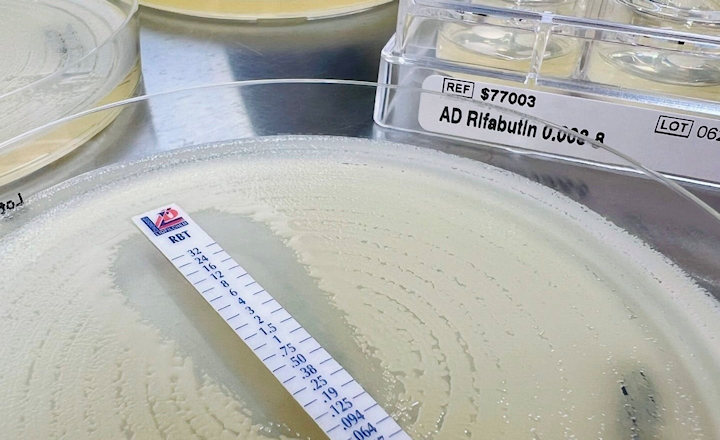
FYI: The updated CLSI M100 (2025) guidance recommends the reintroduction of routine carbapenemase testing for carbapenem-resistant Enterobacterales in addition to MIC susceptibility interpretation.
Find Out More
Find Out More

WGS (Whole Genome Sequencing) can accurately predict isoniazid (INH) resistance in Mycobacterium tuberculosis complex isolates, demonstrating high sensitivity and specificity and enabling a reduced phenotypic testing algorithm without compromising resistance detection.
Find Out More
Find Out More

New study analyzes the 2022 U.S. infant formula shortage and recovery using integrated measures of retail in-stock rates, sales data, and household survey responses.
Find Out More
Find Out More
The Reoccurring, Emerging, and Persisting (REP) strain framework is a new surveillance model that uses WGS and epidemiologic patterns to identify pathogens responsible for illnesses occurring over extended periods rather than discrete outbreaks.
Find Out More
Find Out More

A large population-based study demonstrates that oral antibiotic use is associated with long-lasting changes in gut microbiome composition, with measurable effects persisting for up to 8 years after exposure, particularly following certain antibiotic classes.
Find Out More
Find Out More
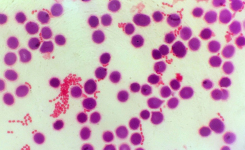
A new study demonstrates that combining digital holographic microscopy (DHM) with artificial intelligence (AI) enables rapid, automated digitization and interpretation of blood culture Gram stains.
Find Out More
Find Out More
This week's Journal Club Explores: updated CLSI guidance on carbapenem resistant enterobacterales (CRE), WGS to predict Isoniazid resistance in mycobacterium tuberculosis complex, new study analyzes the 2022 U.S. infant formula shortage and recovery, a new framework for understanding long-term foodborne pathogen transmission, evidence for long-term microbiome effects after antibiotic use and AI-enabled digital holographic microscopy for automated gram stain interpretation.