



Summary: A large population-based study demonstrates that oral antibiotic use is associated with long-lasting changes in gut microbiome composition, with measurable effects persisting for up to 8 years after exposure, particularly following certain antibiotic classes.
What Are The Lasting Effects of Antibiotics On The Gut Microbiome
Why This Matters:
- Antibiotics are among the most commonly prescribed medications yet the long-term population-level effects of antibiotic exposure remain poorly understood.
- Alterations in gut microbiome composition have been associated with cardiometabolic disease, obesity, autoimmune disorders, and colorectal cancer, highlighting the importance of understanding how antibiotic exposure shapes long-term microbial ecology.
- Most studies have evaluated short-term effects, often in small cohorts. This study addresses a major gap by linking individual prescription histories with metagenomic sequencing data in nearly 15,000 individuals, enabling long-term exposure analysis.
- Understanding which antibiotics have persistent ecological effects supports improved antimicrobial stewardship and informs risk-benefit decisions when prescribing antibiotics.
Key Findings: Baldanzi et al. combined nationwide prescription records with fecal metagenomic sequencing data from 14,979 adults, allowing evaluation of antibiotic exposure over an 8-year period.1
- Recent antibiotic exposure had the strongest effect: Antibiotic use within 1 year before sampling was associated with the largest reductions in microbial diversity, confirming strong short-term ecological disruption.
- Long-term microbiome effects were detectable: Antibiotic use 1–4 years and 4–8 years prior to sampling remained significantly associated with reduced diversity and altered microbial composition, indicating long-lasting ecological effects. Even one antibiotic course administered 4–8 years earlier was associated with detectable microbiome changes, suggesting prolonged ecological consequences.
- Certain antibiotic classes showed greater impact: Clindamycin, fluoroquinolones, and flucloxacillin accounted for the majority of observed associations with altered species abundance. Typically this was reduced species abundance, though greater abundance was observed for Enterocloster bolteae, E. citroniae (previously Clostridium bolteae and C. citroniae), Flavonifractor plautii, Ruminococcus gnavus and Eggerthella lenta – organisms linked with metabolic disease.
- Certain antibiotic classes showed minimal impact: No associations were detected for extended-spectrum penicillins (that is, pivmecillinam and amoxicillin), amoxicillin-clavulanic acid or sulfamethoxazole-trimethoprim.
- Partial microbiome recovery occurred over time: Diversity recovery occurred most rapidly during the first two years after exposure, with slower recovery thereafter, indicating prolonged but incomplete restoration of microbial diversity.
- Individual variation was observed: Differences in microbiome response varied by antibiotic class, sex, and age, indicating that host factors influence microbiome resilience and recovery dynamics.
Bigger Picture: This study by Baldanzi et al. provides strong, population-level evidence that antibiotic exposure produces durable changes in the gut microbiome, reinforcing the concept that antimicrobial use has consequences beyond immediate therapeutic effects. Overall, these results highlight antibiotics as ecosystem-modifying agents, strengthening the rationale for minimizing unnecessary use and improving stewardship strategies aimed at preserving microbiome health.
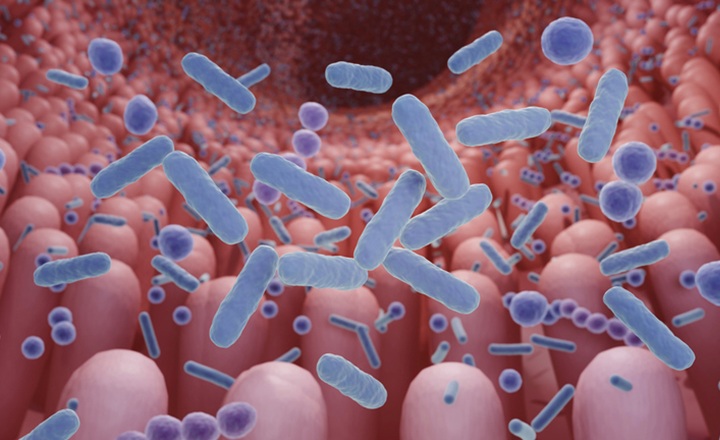
(Image Credit: iStock/ Artur Plawgo)