




Why This Matters:
- Candida auris is an emerging multidrug-resistant fungal pathogen associated with healthcare outbreaks with significant mortality in vulnerable patients.
- Conventional identification methods lack sufficient resolution to distinguish within-facility transmission events.
- Increasing antifungal resistance limits therapeutic options, making rapid resistance detection critical.
- WGS enables simultaneous assessment of strain relatedness and resistance genotype prediction.
- This supports more precise infection prevention and outbreak containment strategies in healthcare systems.
Key Findings: Murphy et al. performed whole genome sequencing (WGS) on 68 Candida auris isolates (Clades I and III) collected from 31 hospitalized patients across a healthcare system between 2021–2024. Analyses incorporated MycoSNP, refMLST, and BugSeq pipelines. Both within-host (intra-patient) and between-host (inter-patient) genomic diversity was assessed to establish benchmarks for transmission analysis and healthcare outbreak epidemiology.
1. WGS resolves healthcare transmission clusters at high resolution
- Genomic analysis identified five distinct transmission clusters, with clustered isolates differing by a median of ~5 SNPs (range: 0–12), consistent with close healthcare-associated transmission.
- Epidemiologic links strongly correlated with genomic clustering, supporting WGS as a high-resolution outbreak investigation tool.
- Multiple isolates (range: 2–6) recovered from 17 patients differed by a median of ~4 SNPs (range: 0–14), establishing a baseline for interpreting within-host genomic diversity and transmission relatedness. The observed overlap between intra-patient and inter-patient SNP ranges highlights a key challenge in genomic epidemiology, demonstrating that no single universal SNP threshold can definitively define transmission events.
2. WGS enables prediction of antifungal resistance
- All isolates carried known resistance-associated mutations that correlated with phenotypic susceptibility profiles, including:
- ERG11 and MRR1 N647T mutations associated with azole resistance
- FKS1 mutations associated with echinocandin resistance (including micafungin resistance)
- FUR1 mutations associated with flucytosine resistance
- Genotypic resistance predictions showed strong concordance with phenotypic MIC data, supporting WGS as a tool for simultaneous resistance profiling and outbreak analysis.
3. Healthcare exposure was the dominant epidemiologic risk factor
- Isolates recovered ≥29 days after hospital admission were consistently associated with transmission clusters, whereas non-clustered patients showed significantly shorter times to first detection (median: 2.5 days; range: 0–27 days).
- Most patients had prior exposure to:
- long-term care facilities
- skilled nursing facilities
- intensive care units
- Major associated risks included: blood born infectionsm Invasive devices (e.g., catheters and mechanical ventilation) and chronic wounds were highly prevalent, reinforcing the role of healthcare-associated transmission dynamics.
Bigger Picture: This study reinforces the transition of C. auris surveillance from conventional microbiology toward genome-based epidemiology and resistance prediction. WGS provides a unified framework for simultaneously addressing two critical challenges in fungal healthcare pathogens:
- Transmission mapping: resolving outbreak structure at SNP-level resolution.
- Resistance prediction: identifying actionable antifungal resistance mutations before or alongside phenotypic testing.
Importantly, the findings highlight that C. auris is fundamentally a healthcare-adapted pathogen, where transmission is strongly associated with prolonged hospital exposure and institutional ecosystems rather than community acquisition.
From an infection control perspective, the work supports a shift toward routine genomic surveillance in healthcare settings, particularly for long-term care and high-acuity hospitals where undetected transmission chains may persist. However, implementation remains limited by sequencing infrastructure, interpretation standards (e.g., SNP thresholds), and integration into real-time clinical workflows.
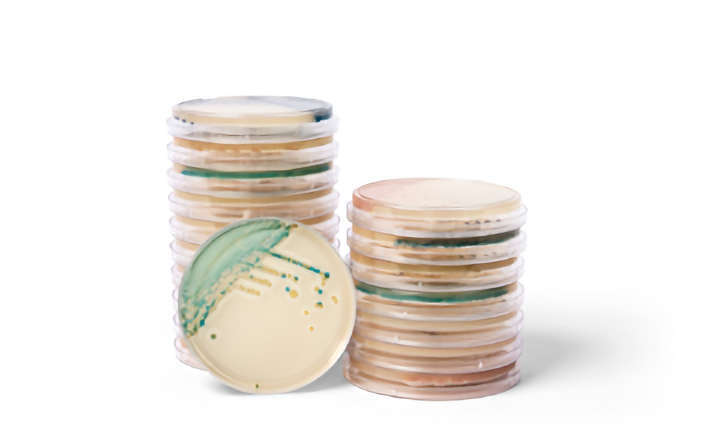
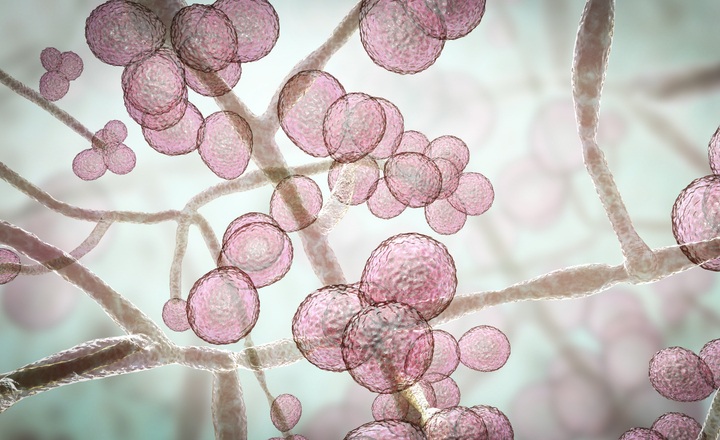
(Image Credit: iStock/ Dr_Microbe)