

Rapid microbial testing is becoming more critical for dairy processors as they evaluate and implement aseptic/ESL lines to expand distribution, cut returns and spoilage, and compete in shelf-stable, longer shelf-life markets. Since these products have higher safety standards, they demand stricter environmental and process controls. Consequently, dependable, rapid methods for early contamination detection are essential for quicker corrective actions, helping to avoid large-scale product holds, rework, or recalls. In aseptic and ESL environments, where even small contamination can ruin entire batches, timely results are crucial for maintaining product integrity and protecting brand reputation. Traditional microbial testing methods, which can take days to produce results, are generally too slow for the rapid decision-making needed in these advanced operations.
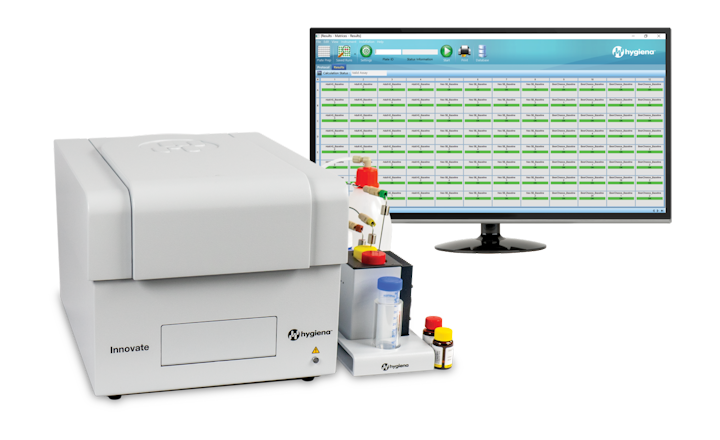
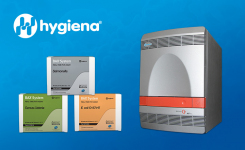
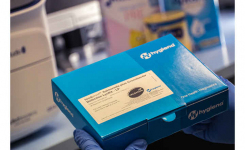
Technologies such as the Innovate™ Rapid Microbial Screening System and the RapiScreen™ Dairy Kit demonstrate how modern solutions address these challenges. They enable faster, reliable detection in dairy matrices, allowing processors to monitor quality in real time. Incorporating such testing helps facilities make quicker release decisions and respond promptly to contamination events.
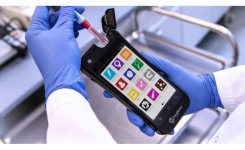
The Innovate System utilizes ATP bioluminescence technology, the industry standard for screening dairy products, due to its speed and definitive absence/presence results. By eliminating the need for plate incubation, ATP testing allows products to be released days earlier. The system can process 96 individual samples concurrently without a secondary incubation, thanks to a unique technology that removes non-microbial somatic-cell ATP, enabling testing across a broad pH range.
The Innovate System is perfect for UHT and ESL products that usually contain fewer than 10 CFU/mL of contaminants. Also, the validated RapiScreen™ reagents work well at various process stages, from raw materials to finished products. The automation enables testing 96 different samples at once on a single microtiter plate every 30 minutes, and additional assays can be prepared simultaneously to maintain continuous operation, either manually or with the Autosampler III.
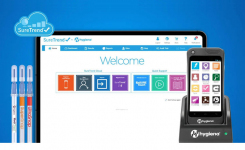
The Innovate System simplifies microbial testing by detecting viable microorganisms, both aerobic and anaerobic, as well as yeast and mold, in a single test. After incubation, samples can be tested as early as 24 hours after production. The Innovate System can be set up to determine “pass” or "fail” criteria, with green indicating pass and red indicating fail, making monitoring easier. Data from multiple instruments can be stored in a single secure database, accessible on-site or remotely, with report generation for analysis and quick decision-making, streamlining product testing and release.