



Why This Matters:
- The B. cereus group are Gram-positive, spore-forming bacilli that are widespread in the environment.
- Some B. cereus strains produce enterotoxins and a highly heat-stable emetic toxin, cereulide, which poses a significant risk in infant foods, even at low initial contamination levels.
- Standard low-level screening may miss B. cereus at concentrations that could grow to unsafe levels under temperature abuse. ·
- Enrichment-based detection, combined with confirmatory genomic and cytotoxicity profiling, provides better risk assessment than conventional plate counts alone.
Key Findings: Nguyen et al. (2026) developed and evaluated a novel Bacillus cereus Group Enrichment Broth and detection scheme designed to improve recovery of low-level B. cereus group organisms from 50 powdered infant formula (PIF) and infant cereal (IFC) samples. Whole-genome sequencing (WGS) and in vitro cytotoxicity assays were used to characterize the virulence of the isolates.1
- High detection yield: The new enrichment and verification scheme recovered B. cereus group species in 52% of samples (26/50) that were initially found to be <100 CFU/g.
- Dominant species recovered: 27 B. mosaicus and 12 B. cereus sensu stricto isolates.
- Strong predictive performance: The enrichment approach had a predictive positive value (PPV) of 97.6% when confirmed by WGS; the single false-positive was identified as a Paenibacillus species.
- Genomic characterization: Sequencing provided deeper insights into the genetic diversity and potential virulence determinants of isolates recovered from infant foods.
- 2 of 41 isolates carried the complete cereulide synthetase operon.
- 36 of 41 isolates carried the complete nonhemolytic enterotoxin operon, which codes for a major diarrheal toxin.
- 8 of 41 isolates carried the complete hemolysin BL operon, a major hemolytic diarrheal toxin.
- 24 of 41 isolates carried the cytK-2 gene which codes for a high-virulence cytotoxin linked to severe, necrotizing illness.
- Detection does not equal hazard: In vitro cytotoxicity assays using Caco-2 cells demonstrated variable levels of toxicity among selected isolates, underscoring that not all B. cereus group members have equivalent virulence potential.
Bigger Picture:
On January 6, 2026, Nestlé announced a global recall of powdered infant formula due to potential presence of cereulide toxin produced by B. cereus - the first recall explicitly attributed to cereulide hazard rather than viable bacterial counts alone.
Nguyen et al.'s findings demonstrate that B. cereus group species frequently contaminate powdered infant formula and cereals. This poses significant risks since powdered infant formula is non-sterile and intended for vulnerable populations, while B. cereus spores survive standard thermal processing.
The primary public health concern stems from potential growth and toxin production during temperature abuse or extended holding after reconstitution. Even low initial contamination can create unacceptable health risks under these conditions.
These findings support implementing risk-based control measures including:
- Enhanced detection methods
- Strain-level characterization of isolates
- Surveillance programs based on hazard severity
- Refined microbiological criteria and process controls
For infant foods, this requires developing performance objectives and hygiene controls consistent with Codex Alimentarius principles to protect vulnerable populations and prevent future toxin-mediated events.
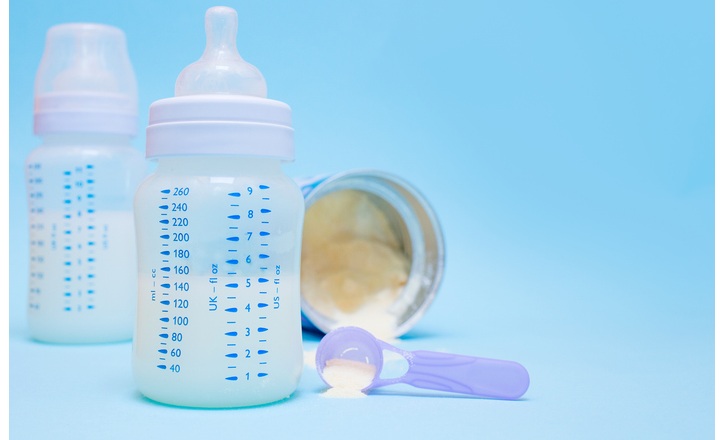
(Image Credit: iStock/Olena Zalevska)
References:
- Nguyen et al. 2026. Isolation and Characterization of Bacillus cereus Group Species in Powdered Infant Formula and Infant Cereal. Journal of Food Protection.