




Summary: Peer-reviewed studies on high-throughput DNA barcoding, postbiotics and next-gen nutrition, mNGS transforming meningitis diagnosis, Illumina vs Oxford Nanopore Tech comparison, fecal transplants for dermatitis, pandemic-risk viruses, microbial contamination risks during PRP, and more


By generating high-quality DNA barcode sequences from a curated yeast culture collection, researchers expanded reference databases and improved the performance of metabarcoding-based and sequence-based identification pipelines, increasing accuracy and taxonomic resolution for yeast species.
Find Out More
Find Out More

A review of 35 current publications on postbiotics, addresses their sources, mechanisms, health benefits, formulation strategies, and regulatory considerations.
Find Out More
Find Out More

Metagenomic next-generation sequencing (mNGS) of cerebrospinal fluid offers an unbiased, broad-spectrum approach to identify infectious and autoimmune causes of meningitis and encephalitis.
Find Out More
Find Out More

Comparative benchmarking of Illumina and Oxford Nanopore Technologies (ONT) sequencing platforms demonstrates platform-specific strengths and limitations for bacterial whole-genome sequencing (WGS), with implications for clinical microbiology applications.
Find Out More
Find Out More

Washed fecal transplantation significantly improved atopic dermatitis severity in adult participants by reshaping both the gut and skin microbiomes, suggesting that targeting the gut–skin axis is a viable therapeutic strategy.
Find Out More
Find Out More

A meta-analysis of 62 genomics studies reveals conserved cellular pathways exploited by pandemic-risk viruses, highlighting host targets with broad-spectrum antiviral potential.
Find Out More
Find Out More
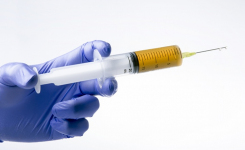
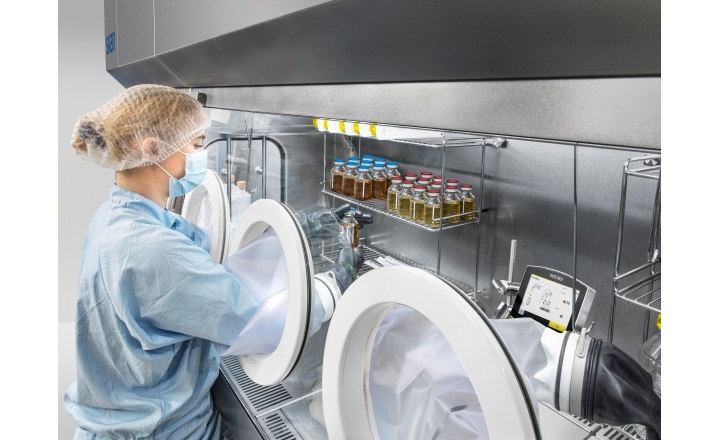
This study investigates microbial contamination risks during Platelet-Rich Plasma preparation and evaluates rapid microbial detection methods to determine sterility in the clinical setting.
Find Out More
Find Out More

Hospital water systems can act as persistent reservoirs for Carbapenemase Producing Enterobacterales (CPE). This scoping review synthesizes recent evidence from 22 studies (2014–2024) on disinfection and environmental control strategies targeting CPE in hospitals.
Find Out More
Find Out More
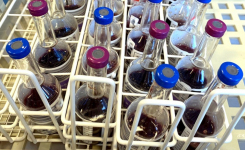
Analysis of 38,216 peripheral blood culture sets indicates that discordant versus concordant bottle positivity provides a practical and effective means of differentiating contamination from true bacteremia.
Find Out More
Find Out More
The latest insights from recently published papers on microbiological issues.