




- Accurate yeast species identification underpins clinical diagnostics, industrial fermentation, environmental microbiology, and food safety surveillance.
- DNA barcoding has become preferred method to ID yeast.
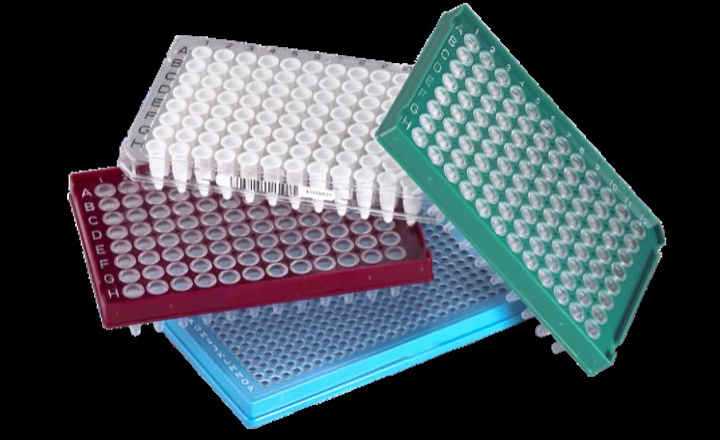
- High-throughput DNA barcoding enables the construction of curated, species-resolved reference libraries that support reliable taxonomic assignment in mixed-organism samples.
- Such reference libraries are essential for downstream metabarcoding applications used in outbreak investigation, manufacturing quality control, and biodiversity and ecosystem monitoring.
Key Findings: Smith et al. (2025) generated and curated an extensive set of DNA barcode sequences from a well-characterized yeast culture collection, integrating multiple loci to enhance taxonomic resolution. The study covered 2,048 yeasts and assessed how these enriched reference data improve species identification accuracy using both short-read and long-read sequencing approaches.1
- Expanded reference coverage: The curated dataset significantly increased representation of under-sampled yeast species and lineages compared with public repositories alone.
- Improved identification accuracy: Using the expanded barcode database, sequence-based identification algorithms achieved higher confidence and fewer ambiguous assignments than when using existing public reference databases alone across diverse yeast isolates.
- Multi-locus robustness: Inclusion of multiple barcode loci (e.g., ITS (Internal Transcribed Spacer) 1 and 2, LSU (Large Subunit rRNA; D1/D2 domain of 28S rRNA)) provided greater discriminatory power than single-locus approaches, particularly within complex species complexes.
- Cross-platform compatibility: The enriched reference set enhanced performance for both short-read (e.g., Illumina) and long-read (e.g., Oxford Nanopore) sequencing data, supporting flexibility in laboratory workflows.
- Application potential: Increased accuracy in species identification has immediate relevance for clinical mycology, industrial strain authentication, and environmental or food microbiome studies where accurate yeast taxonomy matters.
Bigger Picture: Smith et al. demonstrate that high-quality, curated DNA barcode reference datasets materially improves yeast species identification across sequencing platforms, analytic pipelines, and metabarcoding workflows. For microbial diagnostics and surveillance programs, expanded and well-validated barcode libraries reduce misclassification, sharpen taxonomic resolution, and enable more confident interpretation of culture-independent, mixed-community sequencing data. In industrial and food microbiology, accurate reference frameworks improve strain tracking, contamination source attribution, and process control. As metabarcoding continues to expand in clinical, environmental, and food safety applications, continued curation and validation of barcode databases will be central to translating sequencing output into actionable biological and regulatory insight.
(Image Credit: iStock/ Rasi Bhadramani)
References:
- Smith et al. (2025). Advancing Yeast Identification Using High-Throughput DNA Barcode Data From a Curated Culture Collection. Molecular Ecology Resources.