




Why This Matters:
- Clinical distinction: Non-typhoidal Salmonella (NTS) typically causes self-limited gastroenteritis, whereas invasive NTS (iNTS) produces extra-intestinal disease such as bacteremia, sepsis, meningitis, or focal infections. Historically, both NTS and iNTS are thought to follow primarily foodborne and zoonotic transmission routes.
- Shift in transmission paradigm: Evidence that iNTS spreads substantially via human-to-human transmission - rather than exclusively through zoonotic spillover - necessitates a reorientation of public-health strategies toward sanitation, contact tracing, and interventions targeting human reservoirs.
Key Findings:
Dataset: The authors compiled 1,115 iNTS patient records from China, generating a comprehensive genomic and epidemiological dataset spanning multiple geographies.1
- iNTS was most common in children aged ≤1–4 years and adults aged 60–69 years.
- In more recent times, the predominant Salmonella serovar was Enteritidis (43.3%), followed by Typhimurium (9.6%) and 4,[5],12:i:- (7.4%).
Transmission dynamics:
- Comparison of 483 S. Enteritidis genomes derived Chinese isolates against global isolates identified three major subclades derived from a single global clade (GC) circulating in China:
- SNP distance analysis indicated potential within-human transmission in 57.5% of infections, including both local and international dissemination.
- Genetic clustering and modeling indicated that human-to-human spread likely occurred via diarrheal patients acting as intermediaries — rather than the classical zoonotic or foodborne routes.
Antimicrobial resistance (AMR): Serovar-specific AMR patterns emerged over time, with significant resistance to fluoroquinolones and third-generation cephalosporins.
Bigger Picture:
This work by Zhou et al. may mark a paradigm shift in our understanding of iNTS epidemiology. Historically viewed as a zoonosis or foodborne hazard, iNTS now appears to follow sustained human-to-human transmission, both locally and across borders. For public health authorities and clinicians, this demands a rethink of prevention strategies - beyond food safety and animal reservoir control — toward improved hygiene, sanitation, surveillance, and targeted interventions, particularly for high-risk populations such as young children, the immunocompromised, and the elderly.
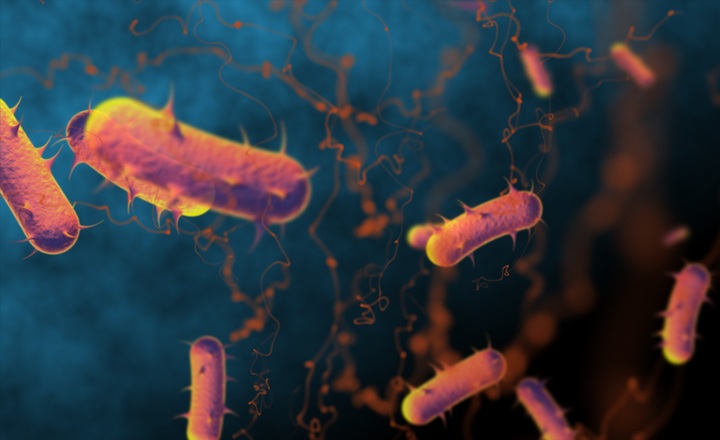
(Image Credit: iStock/Thinkhubstudio)