




- ATMPs - including cell therapies, gene therapies, and tissue-engineered products—are increasingly used in regenerative medicine and cellular immunotherapy. Because these products contain complex living or quasi-living components, standardized QC remains technically challenging.
- Analytical variability between manufacturing and testing laboratories can directly affect product release decisions, patient safety, regulatory compliance, and inter-site reproducibility.
- Conventional Proficiency Testing (PT) frameworks are not well suited for highly heterogeneous biologic products or functional cell-based assays.
- ATMP-focused PT infrastructure is needed to ensure reproducibility, traceability, harmonization, and regulatory-grade comparability across sites.is needed to ensure reproducibility, traceability, and regulatory-grade comparability.
Key Findings: A web-based platform was developed to manage participant interaction and data submission while ensuring full anonymization of participants and results. Standardized samples were simultaneously distributed to 13 ATMP manufacturers, tissue establishments, and biobanks in Spain and France to support inter-laboratory comparability.1 Across five rounds, 372 samples were distributed and 331 valid results were submitted (88.9% response rate). Outcomes as follows:
• Dedicated ATMP proficiency testing (PT) system was developed that enabled harmonized evaluation and comparison of analytical performance across participating laboratories.
• Digital, centralized coordination platform was implemented with standardized reporting, anonymized data submission, and centralized result collection and evaluation.
• Multisite inter-laboratory comparability assessment evaluated assay variability, consistency of ATMP quality control measurements, and workflow-dependent performance differences across laboratories. Key metrics as follows:
o Mycoplasma PCR (conventional): Sensitivity was 88.2% (15/17; 95% CI: 65.7–96.7) and specificity was 100% (19/19; 95% CI: 83.2–100), with no false positives, an 11% false-negative rate, and 2.7% invalid results.
o Sterility testing (BACT/ALERT): Demonstrated 97% sensitivity and 100% specificity, with no invalid results reported.
o Endotoxin testing (LAL): Achieved 100% concordance across participating laboratories, with no invalid results.
o Immunophenotyping: Confirmed >95% expression of mesenchymal stromal cell (MSC) markers with minimal hematopoietic contamination; 12% invalid results.
o Cell counting assays: Moderate inter-laboratory variability was observed, with 57.1% of results falling within ±20% of the consensus median reference value. Invalid results accounted for 15.1% of submissions.
o Post-thaw recovery of mesenchymal stromal cells: Mean recovery was 41.5%, with similar performance between manual and automated methods. 26.6% of results were invalid, indicating substantial variability in cryopreservation recovery assessment.
Bigger Picture: This work by Chaparro-García et al. reflects a critical shift in regenerative medicine quality systems away from traditional proficiency testing models used for chemical or microbial assays. ATMPs introduce a unique challenge: the product itself is dynamic due to variability that can arise from both manufacturing processes and the analytical systems used for release testing. The proposed platform represents an early step toward digitally coordinated, harmonized quality assurance networks for advanced biologics, integrating centralized data management with distributed laboratory testing. This is particularly important as ATMPs move from experimental therapies toward routine clinical and commercial deployment, where regulatory confidence depends on reproducible multi-site validation. More broadly, the study supports the development of a standardized global infrastructure for ATMP quality control, bridging gaps between academic production centers, GMP manufacturers, and regulatory authorities. This will be essential for scaling cell and gene therapies while maintaining safety, consistency, and regulatory compliance.
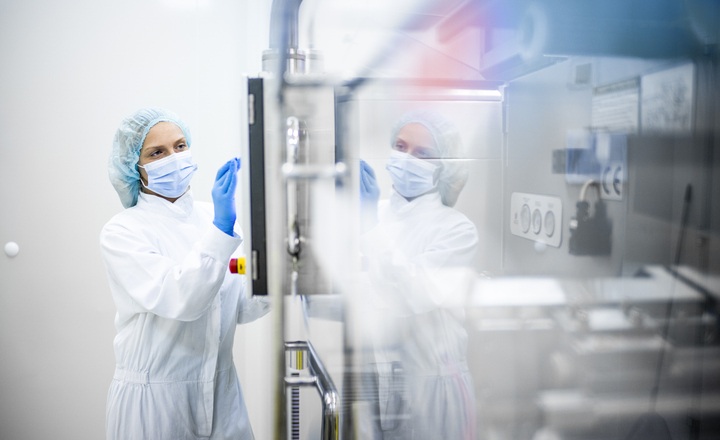
(Image Credit: iStock/ Extreme Media)