




Why This Matters:
- The increasing prevalence of extended-spectrum β-lactamase (ESBL)-producing Enterobacterales has driven expanded carbapenem use, making carbapenems critical last-line agents for severe multidrug-resistant infections.
- Carbapenem-resistant Enterobacterales (CRE), particularly carbapenem-resistant Escherichia coli (CREC), represent a major global public health threat.
- blaNDM-5 encodes New Delhi metallo-β-lactamase-5 (NDM-5), a clinically significant carbapenemase conferring resistance to carbapenems, penicillins, and cephalosporins.
- IncX3 plasmids exhibit high transfer efficiency, broad host range, and low fitness cost, facilitating rapid dissemination across bacterial populations.
- Understanding IncX3 plasmid transmission dynamics is increasingly important for designing effective surveillance and intervention strategies beyond organism-centered approaches.
Key Findings: Xu et al. review the molecular and ecological mechanisms driving dissemination of blaNDM-5-IncX3 plasmids in Enterobacterales.¹
1. IncX3 plasmids function as highly efficient resistance vectors with the following pro-dissemination features:
- Highly conserved plasmid backbones (~46 kb)
- Efficient conjugative transfer systems
- Low bacterial fitness burden, supporting long-term persistence
- Stable maintenance across multiple Gram-negative species
- Capacity to acquire additional resistance determinants, including fluoroquinolone and colistin resistance genes
2. IncX3 plasmids employ multiple molecular mechanisms that promote horizontal dissemination:
- Conjugation via type IV secretion systems (primary route)
- Horizontal gene transfer via plasmid mobility and recombination
- Mobile genetic elements
- Transposon-associated integration
3. Transmission occurs across linked One Health reservoirs: blaNDM-5-IncX3 plasmids can establish a continuous transmission loop across human/clinical–animal–environment (food production, ag, wastewater, and other environmental sources, supporting continuous spread.
4. Ecological amplification factors reinforce persistence:
- Antibiotic selection pressure in clinical and agricultural settings
- Environmental contamination (especially wastewater systems)
- Co-selection by heavy metals and other stressors
- Biofilm-associated environments enhancing plasmid exchange
The authors propose that effective control of blaNDM-5-IncX3 dissemination that includes:
- Understand how plasmid architecture, mobile genetic elements, and recombination mechanisms promote stability, mobility, and transfer of resistance genes between bacterial species.
- Evaluating plasmid–host fitness interactions.
- Identify ecological pressures that select for and amplify resistance dissemination.
- Enact effective antimicrobial stewardship to reduce selective pressures.
- Environmental surveillance and monitoring to identify reservoirs and transmission pathways of resistance genes.
Bigger Picture: This review highlights a broader shift in antimicrobial resistance research from organism-centered surveillance toward tracking the movement of resistance genes and plasmids across ecological networks. Under this framework, wastewater systems, agricultural environments, and biofilm-associated reservoirs become active components of resistance evolution and dissemination rather than passive contamination sites. Effective control strategies will therefore require integrated surveillance and intervention approaches targeting plasmid flow, environmental reservoirs, and selective pressures, in addition to traditional infection control measures.
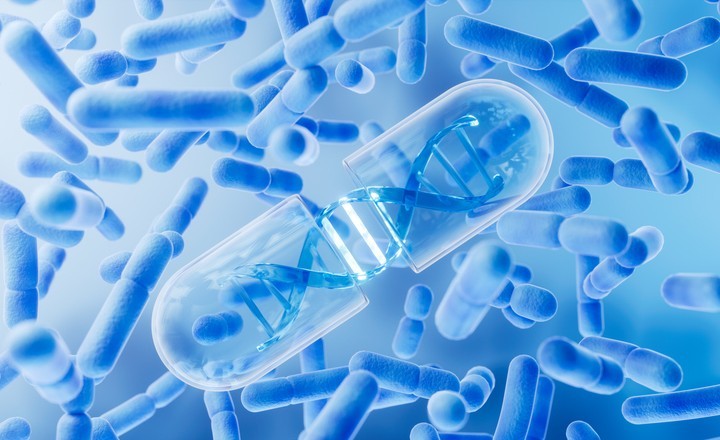
(Image Credit: iStock/Jian Fan)