



Summary: Latest from our Journal Club: B. longum ssp. infantis EVC001 reduces NEC in preterm infants, improved cereulide detection in powdered formula, and new models on how temperature, pH, and water activity drive cereulide production by Bacillus cereus.
A new study developed quantitative kinetic models describing how temperature, pH, and water activity interact to regulate cereulide toxin production by emetic strains of Bacillus cereus. The findings providing actionable parameters for predictive food safety control.
Find Out More
Find Out More
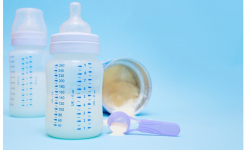
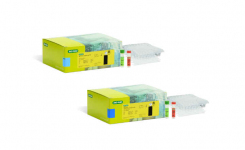
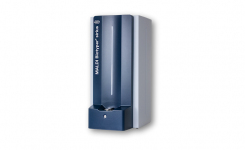
Reliable detection of cereulide in powdered infant formula requires optimized water/acetonitrile extraction with salting-out, highlighting that extraction chemistry - not just LC-MS/MS instrumentation - is critical for accurate quantification in complex, lipid-rich matrices.
Find Out More
Find Out More

B. longum ssp. infantis probiotic strain EVC001 reduces incidence of necrotizing enterocolitis in premature babies.
Find Out More
Find Out More
This week’s Journal Club explores: B. longum ssp. infantis EVC001 reducing necrotizing enterocolitis in premature infants, improved methods for detecting cereulide in powdered infant formula, and new kinetic models showing how temperature, pH, and water activity influence cereulide toxin production by Bacillus cereus.