



Why This Matters:
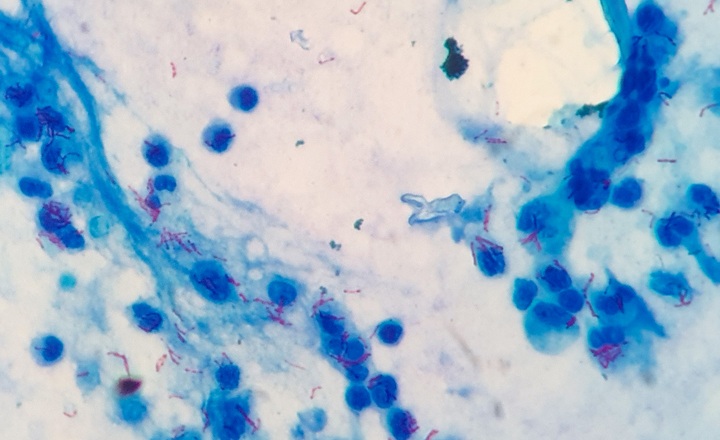
- Non-sputum specimens are diagnostically challenging: Samples such as bronchoalveolar lavage fluid (BALF), pleural fluid, ascites, cerebrospinal fluid, pus, and tissue biopsies are often paucibacillary and heterogeneous, leading to reduced sensitivity of smear, culture, and some molecular tests.
- Culture limitations: Mycobacterial culture is slow (often weeks) and has reduced sensitivity in low-burden or extrapulmonary specimens. In parallel, multidrug resistance must also be assessed, typically requiring additional testing and further delaying actionable results.
- Molecular gap: Existing rapid tests have limited resistance panels and exhibit reduced sensitivity for specimens with low bacterial burden.
- Sequencing advantage: Targeted nanopore sequencing offers rapid real-time sequencing capabilities and ultra-long reads and enables simultaneous detection and resistance profiling from a single sample.
Key Findings: Liu et al. prospectively evaluated nanopore tNGS across five TB centers and 701 subjects using non-sputum clinical specimens.¹
- High diagnostic accuracy (vs. MTB/RIF (Xpert), culture, and MRS):
- Sensitivity: 93.4% (95% CI, 91.5%–95.2%)
- Specificity: 93.2% (95% CI, 91.3%–95.0%)
- Robust across specimen types: Performance remained consistent regardless of sample type or clinical presentation, addressing a major limitation in TB diagnostics.
- Drug resistance detection: High concordance with phenotypic DST for key drugs including rifampicin, isoniazid, ethambutol, streptomycin, and fluoroquinolones.
- High yield of resistance data: ~90% of tNGS-positive cases generated actionable resistance profiles, though performance depended on bacterial load.
- Additional pathogen detection: The assay also identified co-infecting pathogens, including Mycobacterium abscessus complex and Mycobacterium intracellulare, Klebsiella pneumoniae, and Haemophilus influenza, expanding diagnostic scope beyond TB.
Bigger Picture: This study reinforces a key shift in clinical microbiology: moving from single-target molecular tests to multiplexed, sequencing-based diagnostics. Nanopore tNGS offers a compelling advantage when diagnosing TB cases—particularly for non-sputum cases—by combining rapid detection, species confirmation, and resistance profiling in a single workflow. Its performance in low-burden specimens is especially relevant, where traditional diagnostics often fail. Moving forward, implementation will depend on standardization, cost, and integration with clinical workflows, as well as ensuring consistent performance at low bacterial loads. If these challenges are addressed, targeted nanopore sequencing could become a cornerstone method for comprehensive TB diagnostics and resistance surveillance.
(Image Credit: iStock/ jarun011)