




Why This Matters:
- High mortality condition: severe community-acquired pneumonia (SCAP) remains a leading cause of ICU admission and death, requiring rapid pathogen identification and targeted therapy.
- Empiric therapy limitations: Broad-spectrum antibiotics are often started blindly, risking mismatch with the causative pathogen.
- mNGS advantage: Metagenomic sequencing provides broad, rapid pathogen detection, including mixed infections often missed by conventional methods.
Key Findings: Sun et al. conducted a retrospective study involving 397 ICU patients with SCAP who underwent both bronchoalveolar lavage fluid (BALF) mNGS and conventional microbiological testing.¹ Patients were stratified based on timing of antibiotic modification: early (≤72 h) vs late (>72 h).
- Superior pathogen detection: metagenomic next-generation sequencing (mNGS) significantly outperformed conventional tests (92.7% vs. 57.2% detection rate) and was particularly effective for mixed infections (51.6% vs. 19.1%).
- Mortality benefit: Early mNGS-guided antibiotic adjustment (≤72 h) significantly reduced 28-day mortality compared with delayed adjustment (41.98% vs. 53.76%). The benefit was more pronounced in immunocompromised patients (39.29% vs. 60.00%).
- Independent protective factor: Early adjustment remained independently associated with improved survival (adjusted OR ~0.44).
- Greater benefit in immunocompromised patients: Mortality reduction was even more pronounced in immunocompromised subgroups.
Bigger Picture: This study underscores a key principle for clinical microbiology and antimicrobial stewardship: diagnostic results alone do not improve patient outcomes—timely clinical action is essential. Metagenomic next-generation sequencing (mNGS) provides a sensitive, unbiased method for pathogen detection, but its utility depends on rapid integration into therapeutic decision-making. Delays in acting on sequencing results can substantially diminish its clinical impact. These findings support a workflow that combines real-time diagnostics with immediate stewardship intervention, particularly for high-risk populations such as immunocompromised patients. As sequencing technologies become more widely implemented, optimizing turnaround time and clinical decision pathways will be as important as analytical performance in realizing their full clinical benefit.
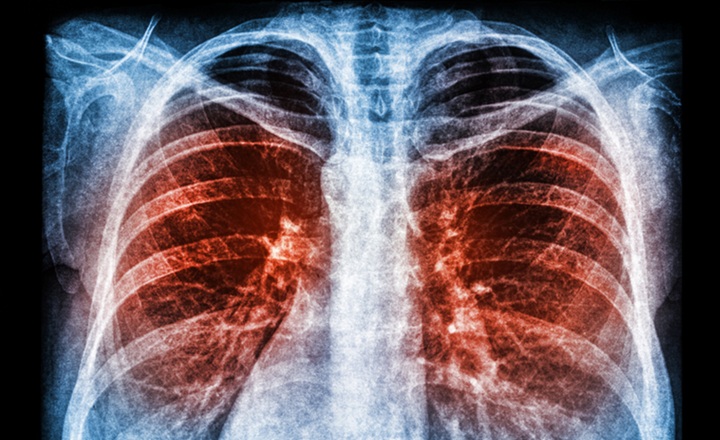
(Image Credit: iStock/ da-kuk)