




- Blood culture quality directly impacts antimicrobial stewardship: Blood cultures remain the gold standard diagnostic test for suspected sepsis, enabling pathogen identification, targeted therapy, and reduction of unnecessary broad-spectrum antibiotic use.
- Pre-antibiotic sampling failures remain common: Despite established guidelines, blood cultures are frequently not obtained prior to antibiotic administration, limiting diagnostic yield and compromising downstream clinical decision-making.
- Contamination and suboptimal sampling remain persistent operational challenges: Issues such as inadequate volume collection, single-set sampling, and user contamination contribute to false positives, prolonged hospital stays, and increased healthcare costs.
- Quality improvement interventions are widely implemented but inconsistently evaluated: Hospitals deploy diverse interventions, yet the absence of standardized performance metrics complicates evaluation of true effectiveness across institutions.
Key Findings: This scoping review by Abdi et al. evaluated 25 quality improvement intervention studies from 2015-2025 that were designed to improve blood culture sampling practices in hospitals from higher-income countries. Inclusion criteria included adult populations, suspect severe infection and/or suspected sepsis, being treated at an acute care facility.1 Six major intervention classes were identified:
1. Environmental Restructuring (32% of studies) was associated with improved compliance with pre-antibiotic blood culture collection and sepsis bundle measures. These approaches primarily targeted workflow reliability and procedural standardization. Representative interventions included:
- Visual prompts and reminder systems
- Sepsis algorithms and standardized workflows
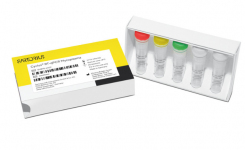
- Preassembled blood culture sampling kits
- Electronic health record alerts
- Dedicated sepsis response roles
2. Education and Simulation-Based Training (28% of studies) contributed to increased blood culture collection rates. Representative interventions included:
- Mandatory induction training addressing staff turnover
- Simulation-based sampling instruction
- Case-based workshops emphasizing contamination risks
- Reinforcement of guideline-driven sepsis protocols
3. Audit-and-Feedback Systems (25% of studies) were associated with reductions in contamination rates and improvements in appropriate blood culture collection practices. Representative interventions included:
- Performance dashboards
- Monthly compliance scorecards
- Written and verbal feedback to clinical teams
- Routine procedural audits
4. Incentivization (4% of studies) was associated with improved adherence to sepsis bundle measures, including blood culture collection. Representative interventions included:
- Public performance reporting across participating hospitals
- Recognition programs for staff compliance
5. Persuasion-Based Interventions (4% of studies) were associated with improvements in sepsis bundle compliance. Representative interventions incorporated reporting of suboptimal performance metrics to clinical teams.
6. Modeling (3% of studies) were associated with reductions in blood culture contamination rates. Modeling interventions focused on reinforcing best practices through visible examples of successful implementation. Representative interventions included:
- Circulation of anonymized case summaries demonstrating best practices
- Sharing key learning points within a no-blame learning environment
Outcome Heterogeneity Limits Comparative Effectiveness Analysis
- No standardized performance metrics were consistently used
- Many outcomes were embedded within broader sepsis bundle metrics
- Blood culture–specific endpoints (e.g., contamination rates, volume adequacy, number of sets collected) were inconsistently reported
As a result, direct comparison of intervention effectiveness was not feasible. Despite this limitation, multimodal interventions combining education, environmental restructuring, and enablement showed the most consistent improvements in blood culture collection rates, quality, and timing.
Bigger Picture: This review highlights a central principle in diagnostic microbiology that pre-analytical workflow reliability is often the dominant determinant of diagnostic accuracy, particularly for blood culture systems where specimen timing, volume, and collection technique define downstream analytical value. For clinical microbiology and infection control programs, the most actionable takeaway is clear: improving specimen quality is fundamentally a systems-engineering challenge and durable improvements require structured environmental and behavioral interventions rather than isolated educational efforts.
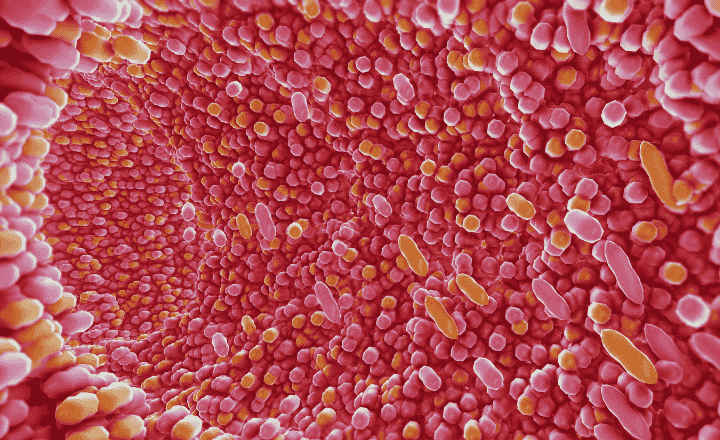
(Image Credit: iStock/Hispanolistic)
References:
1. Abdi et al., 2026. A Scoping Review of Interventions to Improve Blood Culture Sampling Practices in Hospital Acute Care Settings. JAC- Antimicrobial Resistance.