





- Rapid microbial identification: MALDI-TOF MS has transformed clinical microbiology by enabling species identification within minutes once colonies are available.
- Platform choice matters: Laboratories must balance accuracy, throughput, and workflow efficiency when selecting MALDI-TOF instruments.
- Operational workflow: Differences in instrument automation, slide capacity, and acquisition modes can significantly affect technician workload and turnaround time.
- High-throughput labs: Optimizing identification workflow can improve laboratory productivity and accelerate clinical reporting.
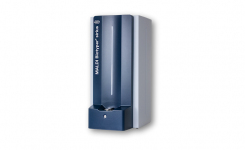
Key Findings: Köffer et al. performed a head-to-head evaluation of two MALDI-TOF systems in a routine clinical microbiology laboratory.¹ The authors evaluated 927 clinical isolates representing 219 species, including Gram-positive bacteria (53%), Gram-negative bacteria (43%), and yeasts (4%).
- Identification accuracy:
- VITEK MS PRIME: 95.5% identification rate
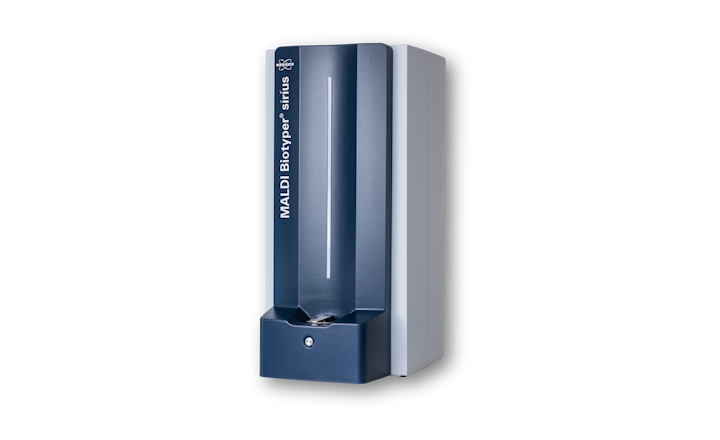
- MALDI Biotyper Sirius: 91.1% identification rate
- Concordence: between systems reached 99.4% at the genus level and 97.5% at the species level, indicating strong concordance.
- Short-incubation blood cultures: After 4–6 hours of subculture, VITEK MS PRIME correctly identified 99.2% of isolates without formic acid extraction compared with 88.2% for Sirius.
- Workflow efficiency: Simulated high-throughput testing (256 isolates per run) showed:
- Hands-on time: 106 min (VITEK MS PRIME) vs. 155 min (Sirius)
- Time-to-result: 191 min vs. 155 min respectively depending on workflow configuration
- Successful IDs: 98% vs. 82%
Bigger Picture: MALDI-TOF MS is now regarded as a cornerstone of clinical microbiology diagnostics, enabling rapid and cost-effective microbial ID across a broad range of organisms. This study shows that both major commercial systems deliver excellent identification accuracy across hundreds of species. Future evaluations should integrate clinical turnaround time, database coverage (e.g., rare pathogens, fungi, mycobacteria), and integration with downstream AST workflows, as these factors ultimately determine the real-world impact of MALDI-TOF implementation.
(Image Credit: iStock/ janiecbros )