





- Burkholderia cepacia complex (BCC) is intrinsically resistant to multiple antibiotic classes and is associated with severe outcomes in vulnerable populations, including patients with cystic fibrosis and immunocompromised individuals.
- Accurate antimicrobial susceptibility testing (AST) is critical for appropriate therapy selection.
- Although CLSI recommends reference broth microdilution (rBMD) for BCC AST, frozen broth microdilution panels are not commercially available, and commercial AST systems have been reported to generate inconsistent results.
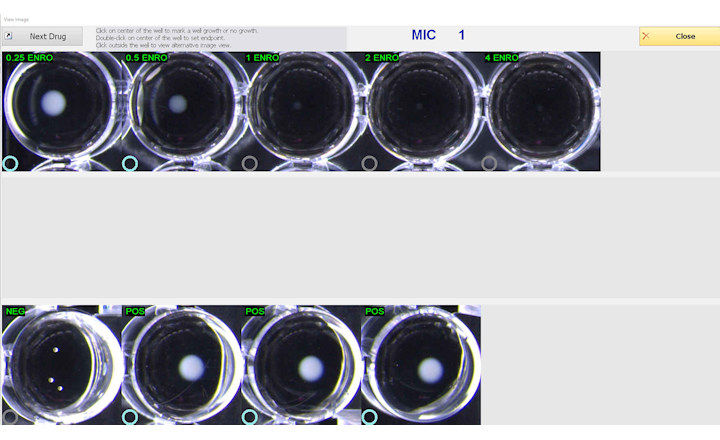
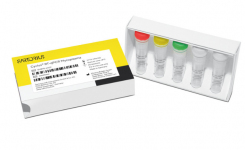
- Thermo Scientific Sensititre provides a commercially available lyophilized broth microdilution platform that may most closely approximate rBMD performance.
- Misclassification of resistance, particularly false susceptibility, can result in ineffective antimicrobial therapy and poor clinical outcomes.
- This study addresses an important translational challenge in clinical microbiology: platform-dependent variability in MIC determination for a difficult-to-test, multidrug-resistant organism group.
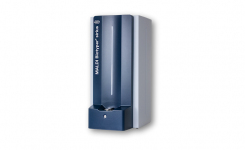
Key Findings: This comparative study evaluated the Vitek 2, Sensititre, and Etest AST Systems against reference broth microdilution (rBMD) method for antimicrobial susceptibility testing of Burkholderia cepacia complex, focusing on essential agreement (EA), categorical agreement (CA), and very major errors (VMEs).¹
Sensititre (best overall performance)
- Demonstrated the highest essential agreement (EA) and categorical agreement (CA) with the reference method
- Produced the closest approximation to reference MIC values overall
- However, still generated very major errors (false susceptibility events)
- Performance varied depending on the antimicrobial agent being tested
Etest (intermediate performance)
- Showed moderate EA and CA compared with the reference method
- Demonstrated MIC variability across both antibiotics and isolates
- Produced occasional categorical discrepancies
- Displayed less systematic bias than Vitek 2 but remained clinically inconsistent
Vitek 2 (lowest overall performance)
- Demonstrated the lowest EA and CA among evaluated platforms
- Frequently underestimated MIC values relative to rBMD
- Produced the highest rate of very major errors
- Performed particularly poorly for clinically relevant β-lactam agents used in BCC treatment
Cross-platform observations
- All three systems demonstrated a tendency to report lower MIC values relative to reference broth microdilution, creating a systematic bias toward more susceptible interpretations
- Observed discrepancies were method-dependent and reproducible across isolates rather than random analytical variation.
Bigger Picture: This study highlights a key but often underrecognized issue in clinical microbiology: commercial AST systems are not interchangeable for multidrug-resistant organisms such as BCC, as automated platforms can introduce systematic bias (notably false susceptibility). More broadly, this study demonstrates that reliance on automated systems without organism-specific interpretation can lead to therapeutic misclassification, and that reference broth microdilution remains necessary for validation in high-risk contexts. Importantly, no platform achieved full performance standards across antibiotics, VMEs remained clinically significant, and antibiotic-specific variability limits generalizability, reinforcing that AST platform selection is itself a clinically meaningful variable in BCC management.
(Image Credit: iStock/ dra_schwartz)