

-
Enhance your environmental monitoring program with tools engineered for performance, availability, and real‑world laboratory demands
-
Optimize microbial sampling costs without compromising data integrity
-
Enhance food safety programs through reliable, efficient device design
-
Build supply-resilient microbial sampling workflows
Laboratories face increasing pressure to maintain reliable environmental monitoring despite cost constraints and unstable supply chains. This short perspective explores how fit‑for‑purpose microbial sampling approaches can help protect data integrity under real‑world conditions.
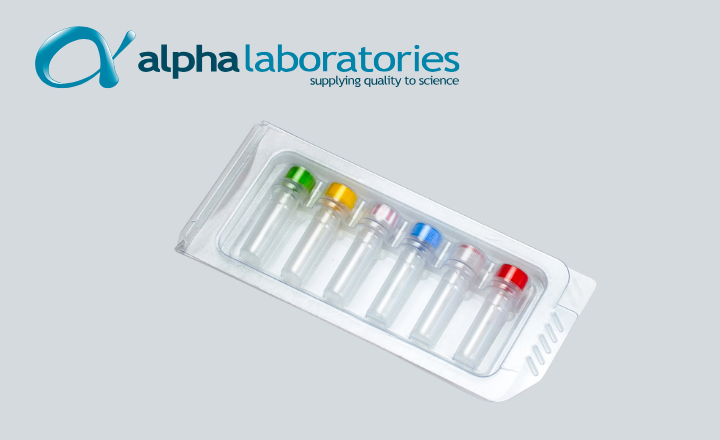
Routine microbial sampling remains one of the most essential components of food safety programs, yet many laboratories struggle to balance sampling frequency, operational efficiency, and rising material costs. As budgets tighten, small increases in the price of routine consumables can have an outsized effect on high‑volume workflows. At the same time, the quality of available sampling devices varies widely. Some tools include features that add complexity without improving analytical performance, while others may compromise on packaging integrity, sterility, or ease of use.
These inconsistencies can affect reproducibility, trend analysis, and the confidence of environmental monitoring data. Research and industry guidance increasingly highlight the importance of selecting sampling tools that are genuinely fit‑for‑purpose rather than over‑engineered or dependent on unstable supply chains. Supply volatility itself has become a significant operational challenge: delays in importing sampling devices can disrupt planned monitoring schedules or force adjustments to standard procedures.
To maintain defensible hygiene monitoring programs, many laboratories are now reassessing the balance between cost, design, and availability. This includes a closer look at devices that prioritise reliability, sample recovery, and workflow simplicity over premium branding or unnecessary enhancements. A more pragmatic, evidence‑driven approach can help labs maintain consistent sampling coverage and data quality, even in the face of procurement uncertainty.
For environmental monitoring programs that depend on continuity, reproducibility, and scheduling discipline, understanding these factors is crucial. This article provides a concise overview, while a more detailed discussion explores the underlying challenges and practical strategies in depth.