


- Accurate yeast identification and antifungal susceptibility testing (AFST) are important for detecting and managing drug-resistant fungi, particularly Candida auris.
- C. auris is an emerging multidrug-resistant fungal pathogen associated with outbreaks in healthcare settings and high mortality in vulnerable patients.
- Inconsistent screening practices can lead to delayed recognition of colonization and outbreaks, increasing transmission risk within hospitals.
- Standardization of yeast ID workflows, AST capacity, and targeted screening protocols is critical for infection prevention and control.
Key Findings: The authors analyzed Patient Safety Component (PSC) Annual Survey data for 2024 from 5,333 acute care hospitals (ACHs) and 359 long-term acute care hospitals (LTACHs) enrolled in the CDC’s National Healthcare Safety Network (NHSN).¹ The authors reported:
Yeast identification practices varied across healthcare settings:
- Yeast identification was most commonly performed in on-site laboratories (ACH: 41%, LTACH: 32%), followed by affiliated medical center laboratories (ACH: 28%, LTACH: 30%) and commercial reference laboratories (ACH: 25%, LTACH: 26%).
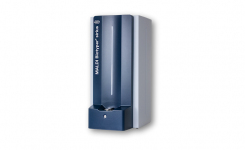
- The predominant identification method was MALDI-TOF MS (ACH: 71%, LTACH: 63%), with approximately one-third of facilities using it exclusively (ACH: 36%, LTACH: 29%).
- VITEK 2 was also widely used (ACH: 37%, LTACH: 47%), though less frequently as a sole identification platform (ACH: 10%, LTACH: 14%).
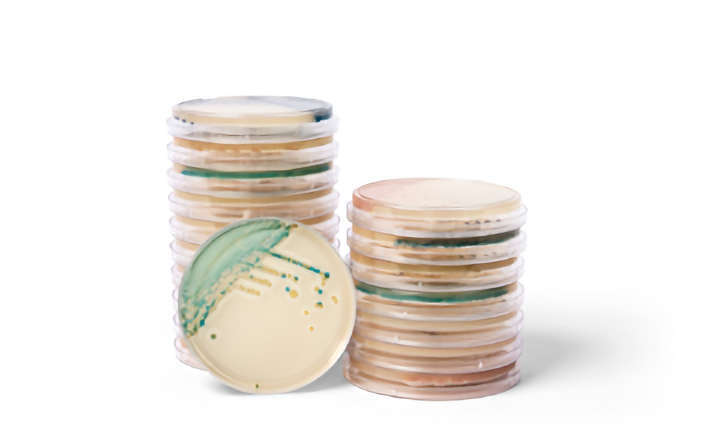
- Fewer facilities used chromogenic agar-based methods for routine yeast identification or differentiation (ACH: 27%, LTACH: 32%).
Antifungal susceptibility testing (AFST) was widely available but often externalized: AFST was reported as available by 96% of ACHs (5,142/5,333) and 97% of LTACHs (348/359). Despite high availability, many facilities relied on external or reference laboratories for testing, indicating limited in-house susceptibility capacity and potential delays in result reporting.
Candida auris screening practices were variable:
- Among ACHs, the most commonly screened patients at admission are those who are high risk (76%), epidemiologically linked (59%), or transferred from LTACHs/long-term care facilities (54%). Routine admission screening of all patients was rare (3%).
- Among LTACHs, Routine admission screening of all patients was frequently performed (86%), reflecting their role as high-risk reservoirs for transmission.
Bigger Picture: This study highlights a critical disconnect between the clinical importance of emerging fungal pathogens and the operational readiness of diagnostic laboratories. While Candida auris is recognized as a high-priority healthcare-associated pathogen, laboratory practices in the US remain inconsistent, particularly outside major academic centers.
The variability in identification and screening reflects broader challenges in fungal diagnostics infrastructure, including limited access to rapid species-level identification, inconsistent AST availability, and lack of standardized surveillance protocols. From an infection prevention perspective, the findings underscore the need for:
• Standardized national guidelines for C. auris screening
• Expanded access to rapid yeast identification technologies (e.g., MALDI-TOF)
• Improved integration of AST data into real-time clinical decision-making
• Strengthened surveillance networks across both acute care and long-term care settings
Ultimately, the study reinforces that diagnostic heterogeneity is a key vulnerability in controlling emerging fungal pathogens and that improving laboratory consistency is central to preventing healthcare-associated transmission.
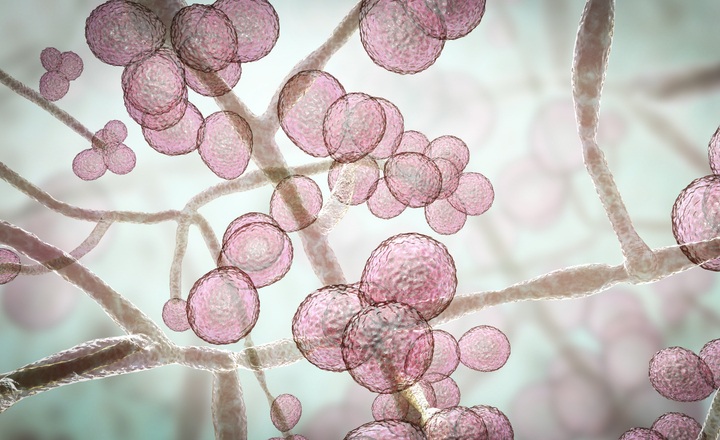
(Image Credit: iStock/ Dr_Microbe)