




Why This Matters:
- Measles elimination at risk: After decades of sustained declines, measles cases are rising globally as immunization coverage falls below the ≥95 % threshold needed for herd immunity.
- Highly contagious virus: Measles has one of the highest basic reproduction numbers (R₀), meaning even small immunity gaps lead to rapid spread and large outbreaks.
- Vulnerable populations: Infants, under-vaccinated children, and communities with low vaccine uptake are disproportionately affected, leading to hospitalizations and preventable deaths. Measles mortality is relatively low in high-income settings, but its immunological impact is profound due to destuction of memory T and B cells, a feature that effectively erases aquired immunity to viruses and bacteria.
Key Findings: Venkatesan’s commentary in The Lancet Microbe synthesizes information from multiple publicly available sources from the WHO, national surveillance data, published studies, and expert opinion.1
- Substantial long-term progress (2000–2024): Over this period, global measles cases declined 71% (38 million to 11 million) and deaths fell 88% (777,000 to 95,000) due to expanded vaccination coverage.
- Resurgence in high/ middle-income countries: The Americas (Canada, Mexico, the USA, Bolivia, Paraguay, and Belize) reported a 30-fold increase in 2025 (from 2024). The US confirmed 1,958 cases and three deaths by December 2025, with most cases (93%) occuring in unvaccinated individuals, threatening its elimination status. Canada lost elimination status following sustained transmission.
- Outbreaks in low-income countries: Of the 59 outbreaks recorded in 2024, ~39% occurred in Africa.
- Coverage remains below elimination threshold: Global two-dose coverage is still below the 95% level required to interrupt measles transmission.
- Pandemic-related setbacks: COVID-19–associated disruptions to routine immunization programs reduced coverage, and the return to normal social interaction in 2024–2025 triggered the largest number of outbreaks observed since 2003.
- Drivers of declining vaccination: Vaccine hesitancy, misinformation, erosion of trust in public health institutions, and increasing use of personal belief exemptions are contributing to falling MMR coverage in some high-income settings.
Bigger Picture: The resurgence of measles highlights how rapidly gains in vaccine-preventable disease control can be lost when coverage falters. Preventing reversal of elimination requires restoring and sustaining ≥95% two-dose coverage, closing immunity gaps, strengthening outbreak detection and response, expanding vaccine access in vulnerable regions, and delivering clear, evidence-based communication. Failure to improve vaccination rates risks re-establishment of endemic transmission in previously controlled areas and sustained global spread, threatening decades of public health progress.
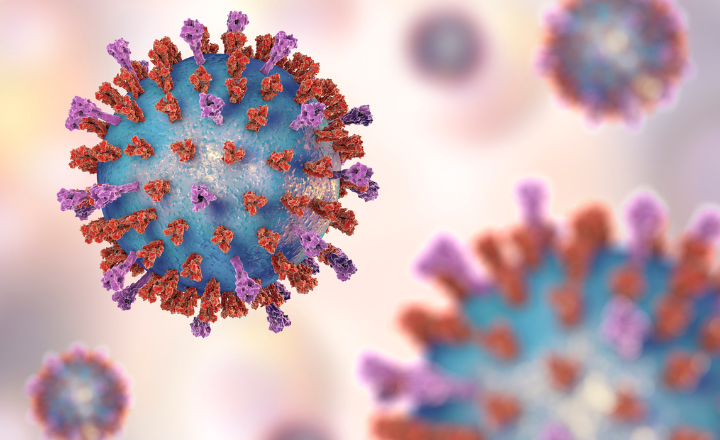
(Image Credit: iStock/ JDawnInk)