





- The gut microbiome is increasingly viewed as a targetable and engineerable biological system rather than a static microbial community.
- Synthetic biology enables genetic modification of commensal bacteria to introduce defined sensing, regulatory, and effector functions.
- Engineered microbes offer potential for localized delivery of biologics and metabolite modulation within the gastrointestinal tract, reducing reliance on systemic therapies.
- This represents a shift from empiric probiotic use toward rationally designed live biotherapeutic platforms, although still largely preclinical.
Key Findings: This review by Sutanto and Fetarayani summarizes current synthetic approaches for engineering the gut microbiome, focusing on genetic tool development, engineered microbial systems, and translational constraints in commensal-based platforms.1
- Synthetic biology tools for microbiome engineering: shift from native microbial traits to genetic manipulation of commensal organisms via:
- Emerging CRISPR–Cas genome editing systems for use in E. coli Nissle and Bacteroides spp.
- Modular plasmid systems with engineered expression cassettes, biosensors, secretion tags, and CRISPR-compatible scaffolds (including tracrRNA-based designs) to improve editing efficiency and plasmid stability.
- Engineered commensals as living therapeutics: Gut bacteria can be genetically modified to sense disease-related signals and produce therapeutic molecules in response, functioning as programmable and controllable drug delivery systems within the host.
- Synthetic gene elements that enable complex biological responses: Engineered microbes that can detect specific environmental or host-derived cues, process signals, and execute defined biological responses such as metabolite production or gene activation.
- Microbial consortia engineering: Synthetic microbial communities can be designed with division of labor, metabolic complementarity, and ecological stability in mind to improve functional robustness.
- Ecological modeling for stability and persistence: Successful microbiome engineering requires predictive ecological models to ensure engineered strains remain stable, competitive, and functional within complex gut environments.
- Translational and clinical applications: Potential applications include targeted treatment of metabolic disease, gastrointestinal disorders, immune dysregulation, and systemic inflammatory conditions.
- Key translational barriers: Major challenges include biosafety risks, ecological unpredictability, regulatory uncertainty, and long-term genetic stability of engineered traits in vivo.
Bigger Picture: The gut microbiome is increasingly viewed as a programmable system in which engineered microbes can be deployed as dynamic therapeutic agents capable of sensing, responding, and adapting to the host environment. However, we are not quite there yet. The transition from concept to clinical reality remains constrained by fundamental challenges in microbial ecology, safety containment, and regulatory frameworks. Ensuring stability of engineered organisms in the highly competitive and variable gut ecosystem is a central unresolved problem.
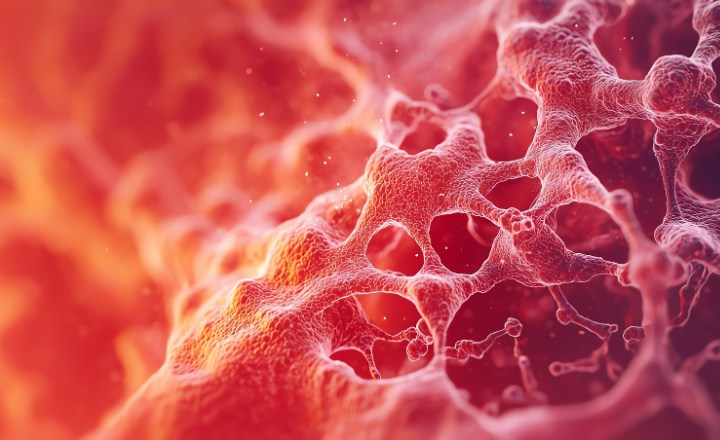
(Image Credit: iStock/ Rasi Bhadramani)