Latest Solutions for Your Clinical Microbiology Lab - rapidmicrobiology April 7 2026.
If you were forwarded this newsletter and would like to receive it, Sign Up Here
Journal club brings you key findings from selected peer reviewed published papers
Featured News
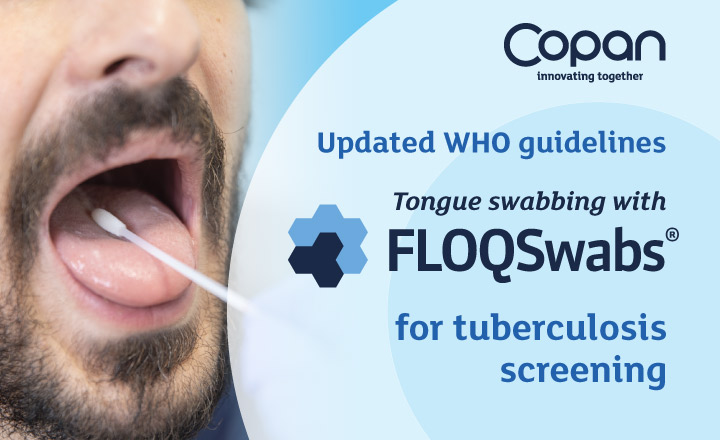
Tongue swabbing with FLOQSwabs for TB testing
WHO will formally recognise tongue swabbing for molecular TB testing in its upcoming diagnostic guidelines. Copan FLOQSwabs® have supported this approach for over a decade, with great sensitivity and specificity across multiple molecular platforms    more... 
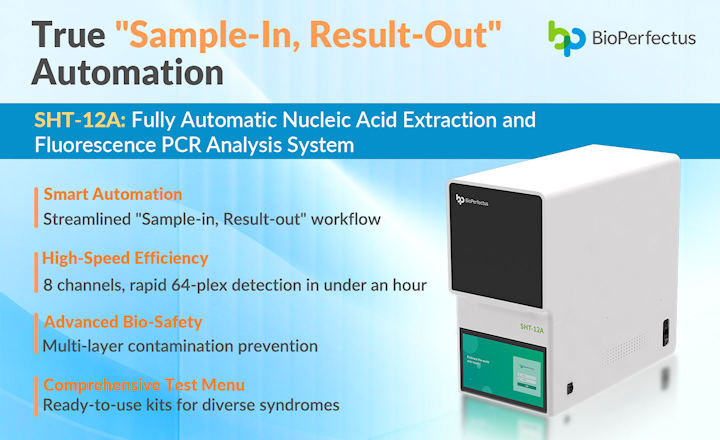
BioPerfectus SHT-12A
In modern clinical microbiology, the demand for rapid, high-multiplex testing often clashes with the reality of manual labor and contamination risks. The BioPerfectus SHT-12A addresses these bottlenecks by integrating the entire molecular workflow into a single, compact platform.  more... 
Anaerobic
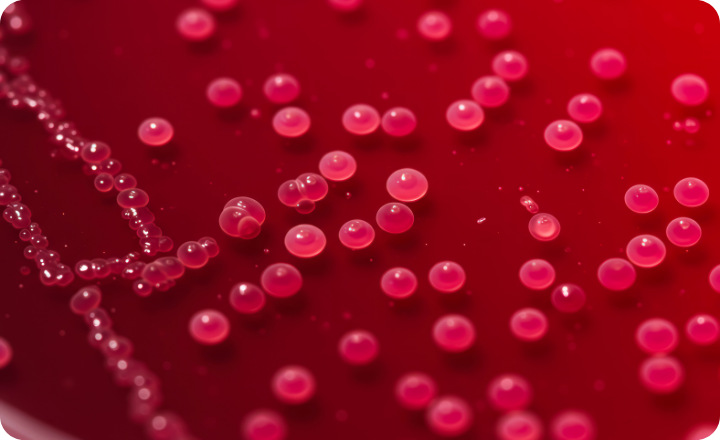
In recent years anaerobic bacteria have become significant pathogens, driven by increasingly complex infections, rising antimicrobial resistance (AMR), and advances in diagnostic technologies that now allow laboratories to detect them more routinely.  more... 
Diamidex MICA delivers 48 hour results for spoilage flora in soft drinks
watch webinar on real time PCR mycoplasma testing
More News
Our take on the latest peer-reviewed papers - Journal Club
Journal Club
Latest from our Journal Club: updated CLSI guidance on CRE, WGS predicts Isoniazid resistance in Mycobacterium tuberculosis complex, analysis of 2022 U.S. infant formula crisis, foodborne pathogen transmission, microbiome effects after antibiotic use, and AI-enabled Gram stain results.  more... 
Recalls & Outbreaks
Featured Product
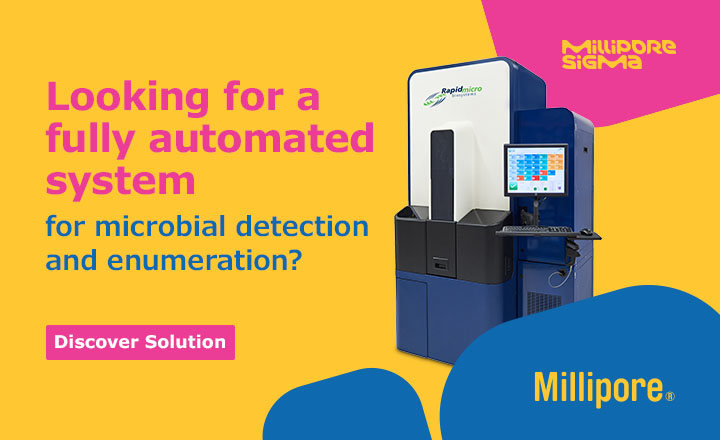
Growth Direct Microbial Detection and Enumeration System

Designed for facilities with a high throughput of environmental monitoring (EM) samples, the Growth Direct® System can vastly improve the efficiency of your QC while reducing the risk of errors. After loading, the samples are moved touch-free into its integrated dual-temperature incubators with a total capacity of 660 plates. Every four hours, the autofluorescence of cells is read to detect and enumerate growing colonies in half the time (less than 3 days) the traditional method takes. Samples flagged for further investigation are automatically moved into a separate output queue.

Automated Processing of EM Samples and Rapid Colony Detection in One.
 

Events
LinkedIn